The Human Advantage – Why Real Staff Outshine AI at the Front Desk
In an era where automation is transforming industries at record speed, dental practices are increasingly tempted to hand patient communication and appointment scheduling over to AI systems instead of relying on real front desk staff.
Artificial intelligence (AI) promises efficiency, automation, and cost savings—especially for administrative tasks. But when it comes to the front desk of a dental office, the question isn’t just about efficiency. It’s about experience, trust, and relationship building.
Front desk staff do far more than answer phones and book appointments. They are:
- The first and last impression of the practice
- Patient coordinators
- Insurance navigators
- Treatment plan communicators
- Problem solvers
- Schedule optimizers
- Emotional support during stressful moments
In many ways, they are the heartbeat of the office.
Below is a closer look at why real people at the front desk remain one of a dental practice’s greatest assets — and where AI often falls short.
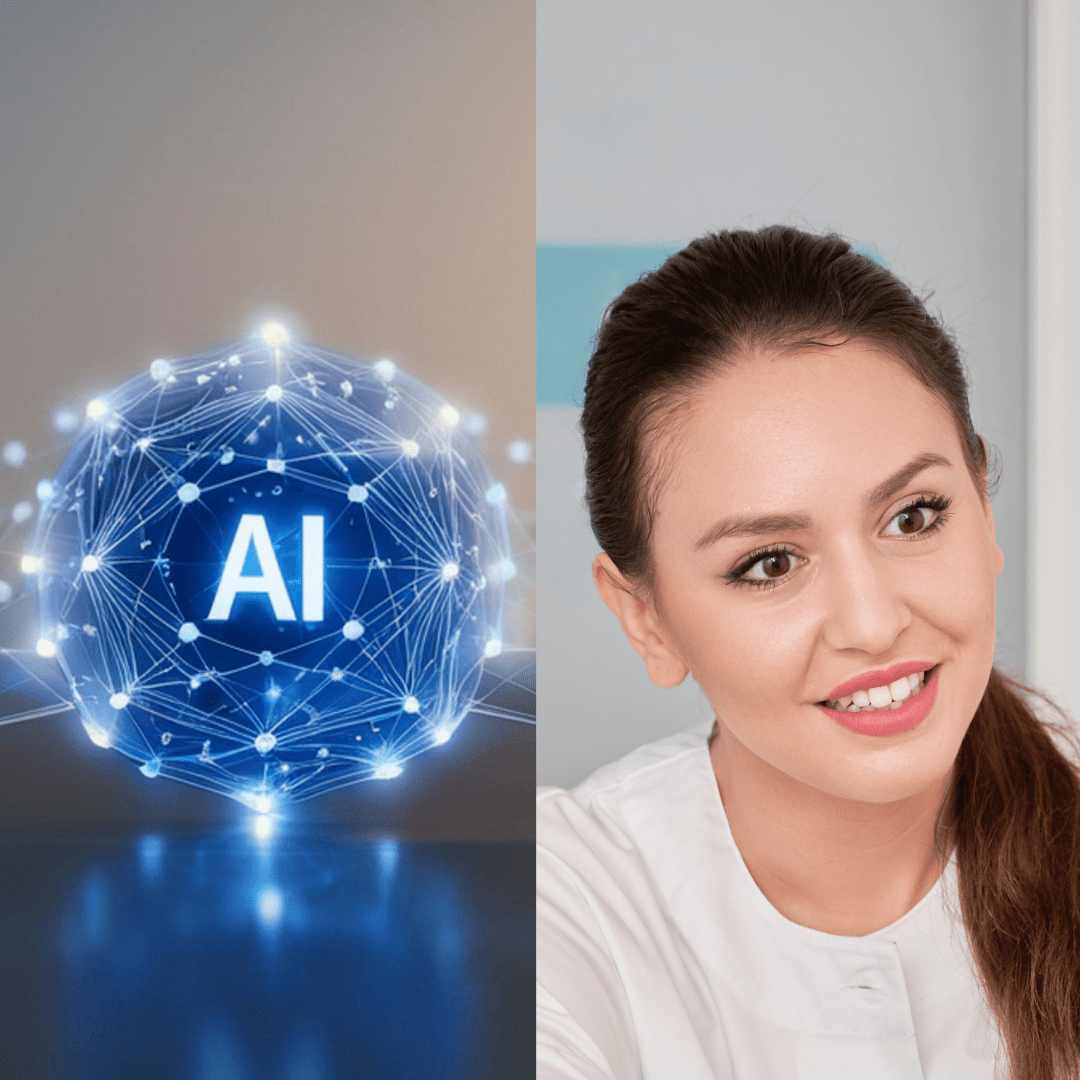
1. Human Empathy Builds Trust
Dental visits often come with anxiety. A nervous patient calling about a toothache doesn’t just need a time slot—they need reassurance.
A calm, caring human voice can:
- Reduce anxiety before the appointment
- Help patients feel heard and respected
- Build loyalty and long-term relationships
- Increase the likelihood they’ll show up
Trust begins long before the patient sits in the chair — it starts with the first phone call.
AI systems may simulate empathy, but they cannot genuinely interpret subtle emotional cues or respond with authentic human warmth.
2. Complex Situations Require Human Judgment
Dental scheduling is rarely as simple as “Book me a cleaning.”
Patients might say:
- “My crown fell out.”
- “I’m in severe pain.”
- “My child chipped a tooth at school.”
- “I need something done before my wedding.”
These situations require nuance and prioritization.
A real staff member can:
- Ask follow-up questions
- Assess urgency
- Coordinate with clinical staff
- Rearrange schedules appropriately
- Offer same-day solutions when necessary
AI can retrieve information, but navigating gray areas, exceptions, or special circumstances requires human judgment.
3. Stronger Patient Relationships Drive Retention
Dental practices thrive on long-term relationships. A front desk team often knows patients by name, remembers family members, asks about vacations, and celebrates milestones.
That familiarity builds:
- Patient loyalty
- Positive reviews
- Referrals
- Higher case acceptance rates
AI cannot genuinely remember personal details in a meaningful way. Even if it stores data, it lacks warmth and authenticity. Patients value being treated as people — not data entries.
4. Clearer Communication Reduces Mistakes
Insurance questions, treatment plans, financial arrangements, and appointment coordination often require back-and-forth clarification.
Human staff can:
- Explain confusing policies
- Detect misunderstandings
- Adapt explanations based on patient knowledge
- Confirm details conversationally
AI-driven systems may misinterpret phrasing, misunderstand accents, or fail when patients deviate from expected scripts. This can lead to scheduling errors, billing confusion, or missed appointments.
5. Professionalism Reflects the Practice’s Brand
The front desk is the first and last impression of a dental office. A knowledgeable, friendly team member signals professionalism and competence.
If a patient encounters:
- Robotic interactions
- Repetitive scripted responses
- Inability to handle unusual requests
It may reflect poorly on the practice — even if the clinical care is excellent.
Healthcare is built on relationships – replacing the entire front desk with AI risks creating a transactional experience rather than a relational one.
The Right Balance: Technology Supporting, Not Replacing Dental Front Desk Staff
Technology can absolutely enhance dental practices:
- Dental Appointment Scheduling
- Automated reminders
- Online forms
But replacing frontline human interaction entirely with AI risks stripping away the most important element of care: human connection.
The most successful dental practices understand that efficiency and empathy must work together. Technology can assist — but only real people build trust.
Conclusion
Dental care is deeply personal. Patients don’t just want clean teeth — they want reassurance, understanding, and confidence in the people caring for them.
Front desk staffs serve as the emotional and operational foundation of a practice. They manage complexity, ease anxiety, solve problems in real time, and represent the heart of the office.
AI may offer convenience and cost savings, but it cannot replace genuine human connection, nuanced judgment, and relationship-building.
Real front desk staff are not simply schedulers.
They are brand ambassadors, patient advocates, and revenue drivers.
n dentistry — as in all healthcare — people still prefer people.
The human touch is not a luxury. It is a competitive advantage.