Intraoral cameras – VItal Components of Modern Dental Practices
As technology continues to advance in the dental field, diagnostic tools are becoming more sophisticated, enhancing the quality of patient care. Among these tools, intraoral cameras have proven to be indispensable in many dental practices. Although they’ve been around for years, their continued relevance stems from the wide range of benefits they offer both dental professionals and patients. This article outlines the key advantages of intraoral cameras in today’s dental environment.
Supporting Accurate Diagnoses
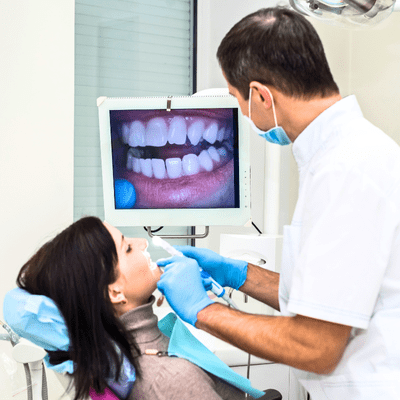
While manual inspections remain a standard part of dental exams, intraoral cameras offer an extremely detailed view of teeth, gums, and other oral structures. The high-quality visuals obtained with intraoral cameras help overcome common diagnostic challenges like limited visibility, and poor lighting. By using fluorescence, some intraoral cameras instantly identify changes in the color of the teeth or gum revealing certain symptoms. As a result, dentists can detect problems earlier and more accurately, leading to better treatment outcomes.
Boosting Productivity and Efficiency
In clinical settings where time is of the essence, intraoral cameras offer significant time-saving advantages. Dental hygienists and assistants can use intraoral cameras to document findings before the dentist arrives, streamlining the workflow and improving overall productivity. They capture sharp images and video quickly, allowing for faster diagnoses and treatment decisions. This efficiency reduces the number of appointments required for treatment, freeing up valuable time to see more patients.
Improving Treatment Acceptance
Intraoral cameras are powerful tools for patient education. By displaying real-time, magnified images of their own oral health, patients can better understand the dentist’s findings and the proposed treatment. This transparency builds trust and increases the likelihood that patients will accept and commit to the recommended care. Visual evidence turns vague concerns into clearly defined issues, making the need for treatment more immediate and compelling.
Enhancing Treatment Recordkeeping
Beyond diagnostics, intraoral cameras are valuable for documentation and long-term care planning. They produce high-quality images that can be stored in a patient’s digital file, allowing for easy comparison over time. These images help track disease progression, monitor healing, and evaluate the effectiveness of treatment. Accurate records are essential for planning future care and improving patient outcomes.
The many advantages of intraoral cameras—from increasing efficiency to enhancing diagnosis and patient communication—make them far more than a convenience. They are a vital component of modern dental practice.
To further maximize the benefits of intraoral imaging, consider integrating your equipment with ADSTRA Imaging. This comprehensive dental imaging software is compatible with a wide range of imaging devices, including intraoral cameras. It offers powerful visual tools for patient education and advanced image management, all within one streamlined platform.
Looking to enhance your practice’s efficiency and patient care?
Implement ADSTRA Imaging and experience the full potential of intraoral cameras.